
Accepting and Adapting – the Weather?

20140325-102119.jpg

Have you noticed that in this “Winter of 2014”, that most of the snows have showed up on Monday evenings or Tuesdays?
I have especially been aware of this because I travel on Tuesdays to my office in Warrenton. My clients and I talk or email (every week):
what to do next, travel, not travel? Reschedule, what day, time?

Last week, we just ignored the snow and met as if it was a warm sunny day. My plan according to the weather last night was, snow showers and then rain, not so – we couldn’t pretend today….so another day to reschedule and hope that this is the last “Tuesday snow” of the “Winter of 2014”.

I was remembering how it is in Montana, where we travel quite often. They get snow starting in October and sometimes in the higher elevations, into June. That is a long time to have snow on the ground. My observation is that they accept the weather as it is and very seldom close schools, reschedule appointments, open late. You see the children playing outside when it’s 30 or below and snowing. I guess your entire way of thinking about the winter weather is adapting and accepting.

Will we adapt to winter in a new way? I wonder? Our experiences go deep if we have always lived in a moderate climate, it starts at an early age, and you anticipate the seasons to be the way they have always been. Can we accept the changes?

The weather is a great teacher in learning acceptance, (side story), we used to fly a hot air balloon and if the wind was blowing a certain speed we didn’t fly, period! This is a true example of acceptance of the weather and what is. The reality of being in the air and at the mercy of the weather was much more extreme than your car sliding off the road in snow.

How much will we remember about the “Winter of 2014” that will still be held in our experience when we go into the “Winter of 2015”?
Hope they come on Fridays!!
The Alexander Technique and the Oscars!

I am sure you all have had some exposure to the beautiful young actress, Lupita Nyong’o who won best supporting actress for the movie,  ’12 Years a Slave’.
Lupita was trained by my dear friend and colleague at the Yale Drama School. The Body Project link below are excerpts from the most informative NYTimes article  (second link below).
 
Lupita shows off her hard work and how she integrates the Alexander Technique principles of poise with inner and outer beauty in her acting, her speaking and presence as an incredible soul. Thank you Lupita, for being an example for us all!


The Body Project article, quotes from NYTimes:

http://www.bodyproject.us/wp/spotted-lupita-nyongo-actor-trained-in-alexander-technique/


NYTimes article link:

http://www.nytimes.com/2014/01/23/movies/awardsseason/lupita-nyongo-is-red-carpet-savvy-and-has-awards-to-match.html?_r=0


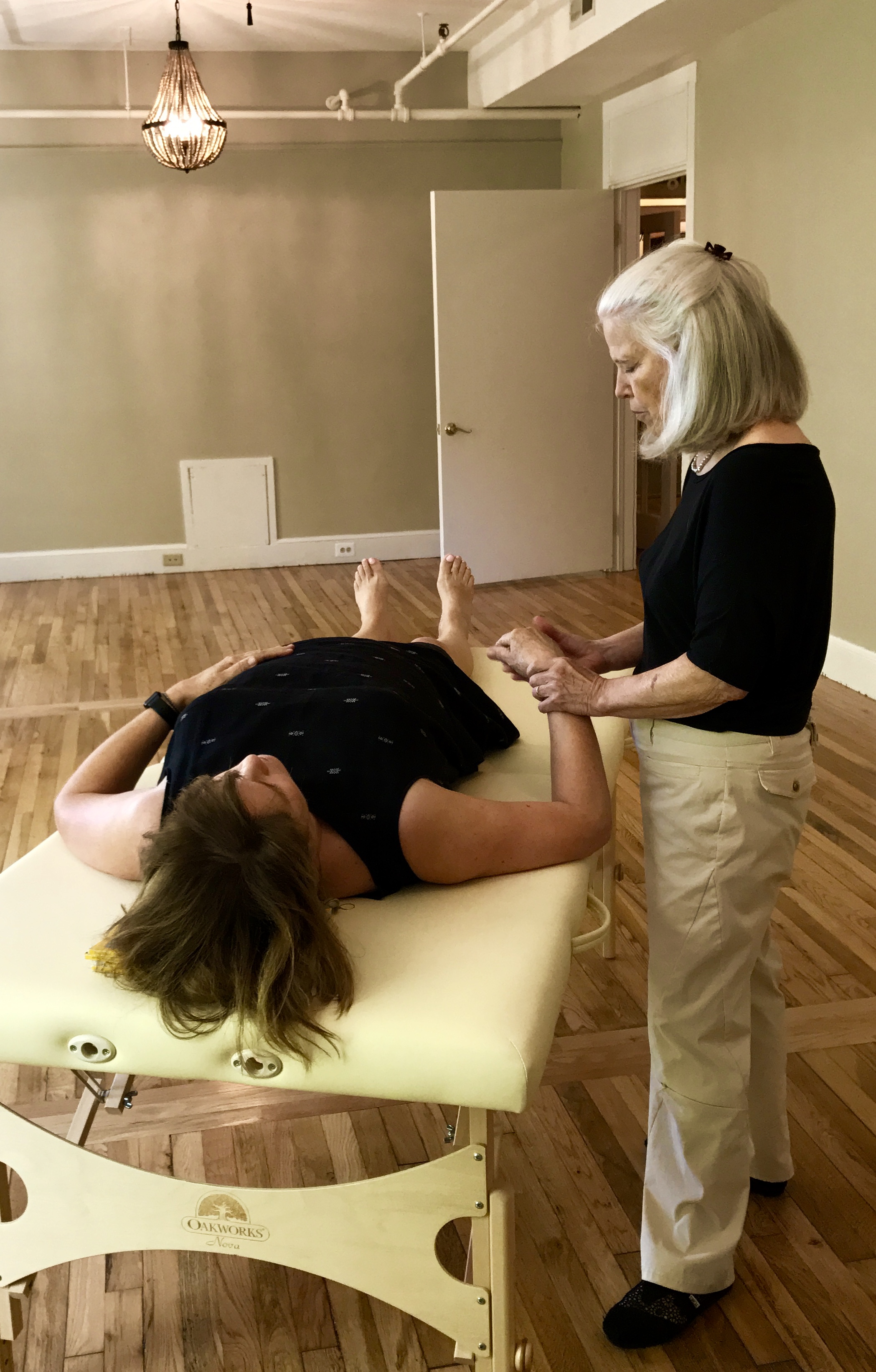
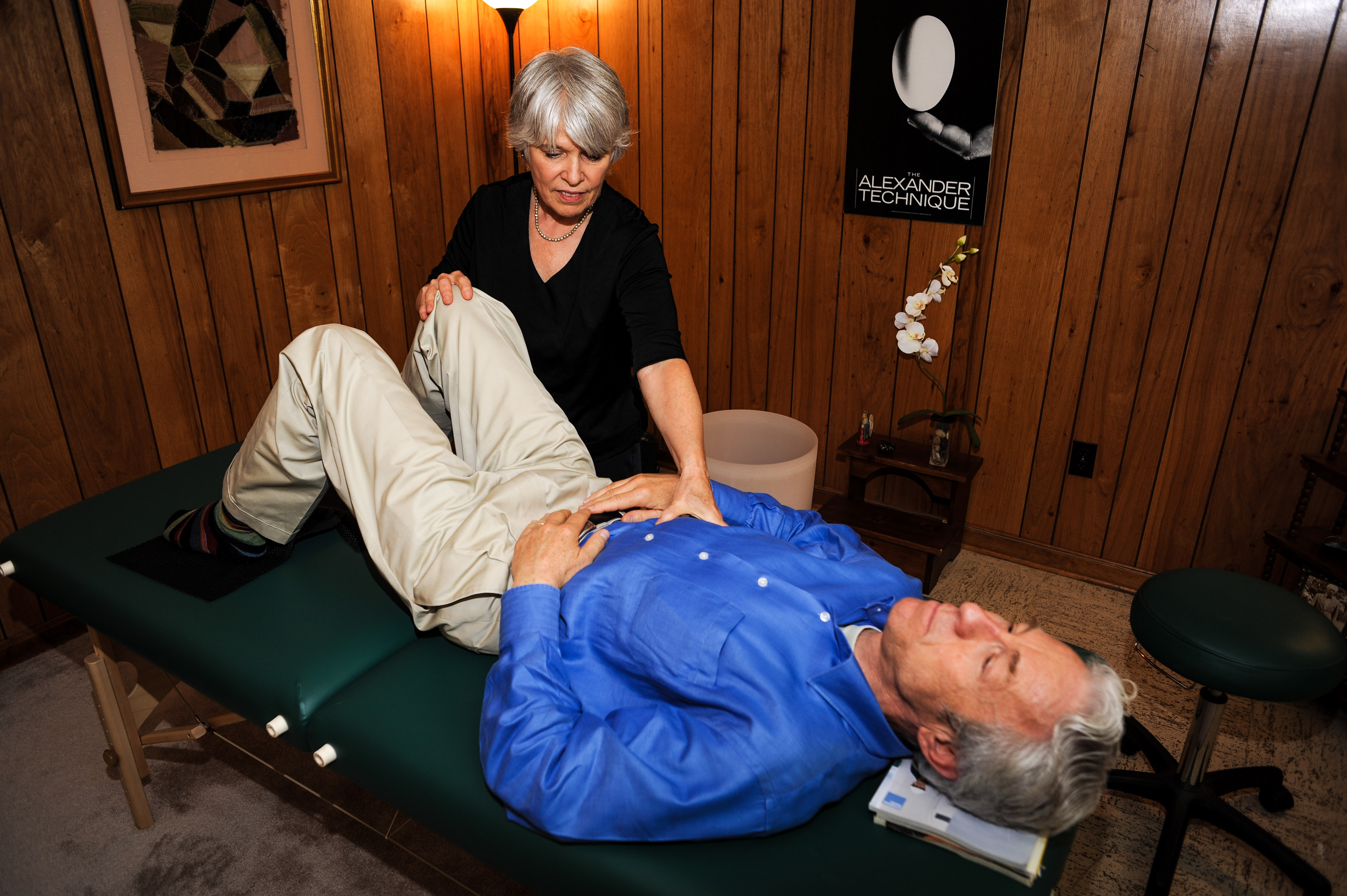
How Does CranioSacral Therapy relate to the Alexander Technique?

My clients often ask what is the difference between CranioSacral Therapy and the Alexander Technique. I discovered CranioSacral therapy about 20 years ago. I had no clue about my body at the time and being still wasn’t something I felt was necessary, it wasn’t productive; and isn’t that how we show our value?

After several CranioSacral sessions I began to experience my body in very profound and subtle ways. I was  experiencing a state of meditation or stillness inspired by the listening, nurturing touch of the CranioSacral practitioner. I was releasing deeply held tension. I felt less anxious and stressed; and I was more present with my family and coworkers in my daily activities. I discovered stillness was productive!

As for the Alexander Technique, after experiencing the subtle qualities of stillness through my CranioSacral therapy, I could be more deeply aware of my daily activities. I felt CranioSacral was a very necessary resource to move from and then acknowledge my moving habits and how to change them with the Alexander Technique principles.

F. M. Alexander, founder of the Alexander Technique, referred to his work as psychophysical, and I feel that CranioSacral therapy enhances the psychological piece through stillness, and acts as a resource to enhance the reeducation of  the physical components of the Alexander Technique.